Expert Interventional Radiologist
Vein disease is a vascular condition, not just a cosmetic one. Dr. Chong assesses underlying venous anatomy and blood flow patterns, not only what is visible on the surface.
Vein Treatments
Non-surgical care for varicose veins, spider veins, and chronic venous insufficiency.
Vein problems are often more than cosmetic. When one-way valves inside leg veins weaken or fail, blood pools in the lower legs instead of returning to the heart.
At Minimally Invasive Vascular, Dr. Kok Chong evaluates and treats venous conditions using outpatient, non-surgical procedures. No vein stripping. No general anesthesia. No hospital stay.
Vein disease is a vascular condition, not just a cosmetic one. Dr. Chong assesses underlying venous anatomy and blood flow patterns, not only what is visible on the surface.
All vein treatments are performed in office using small needles and catheters. There are no surgical incisions, no vein stripping, and no general anesthesia.
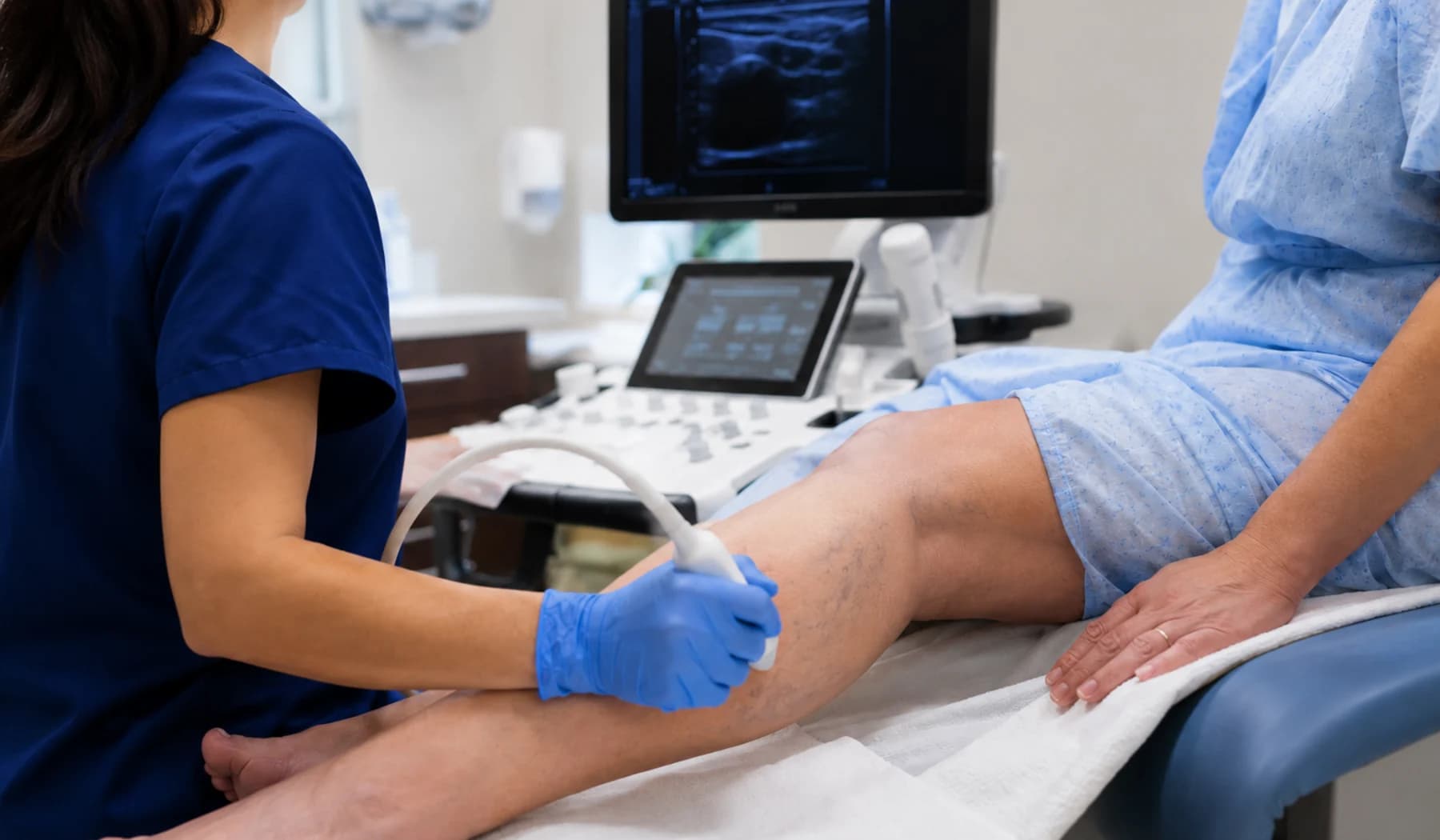
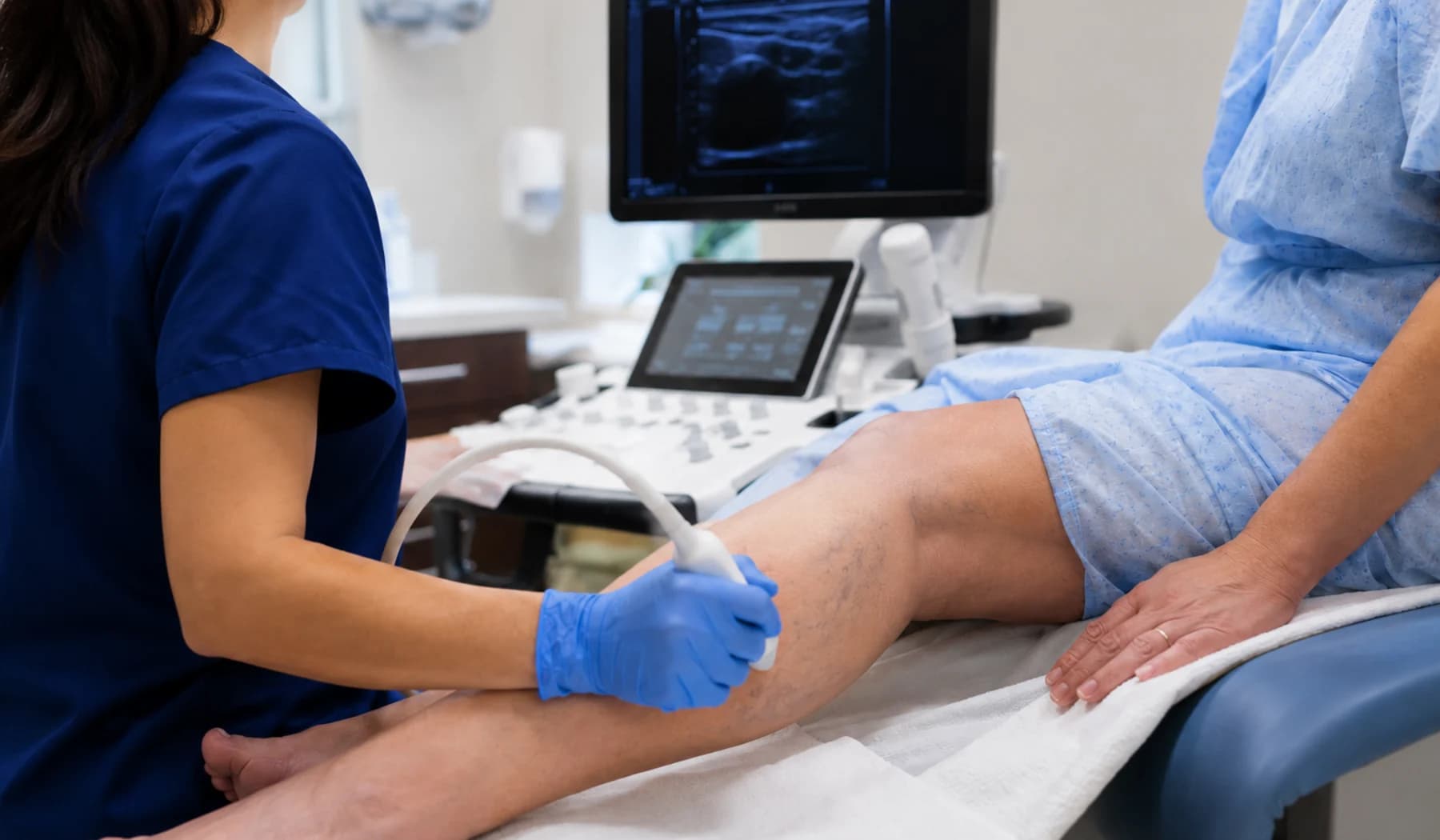
Every patient receives a venous duplex ultrasound before treatment so the plan is based on individual anatomy and symptoms.
With offices in Jacksonville and St. Augustine, patients across Northeast Florida can access expert vein care without a hospital visit.
Small, dilated blood vessels visible near the surface of the skin. Sclerotherapy is the standard treatment for spider veins.
Enlarged, twisted superficial veins that may cause aching, heaviness, swelling, cramping, and irritation.
Sustained valve failure that can cause swelling, skin discoloration, thickening, and venous ulcers.
A fine needle injects solution into spider veins or small varicose veins so the treated vein is gradually absorbed.
Heat energy closes the diseased saphenous vein from inside, redirecting blood flow through healthy veins.
For more complex venous obstruction, venoplasty or venous stenting may restore adequate drainage.
Your visit begins with a consultation and duplex ultrasound evaluation. Dr. Chong reviews the findings with you and recommends a treatment approach based on your venous anatomy, symptoms, and goals.
Most treatment sessions take between 30 and 60 minutes. You will receive clear instructions on what to expect during recovery and follow-up.