Board-Certified Vascular Specialist
Dr. Chong is a board-certified Interventional Radiologist with extensive experience diagnosing and treating PAD using advanced imaging and catheter-based techniques.
Peripheral Artery Disease -- PAD
Minimally invasive care to restore circulation and protect long-term vascular health.
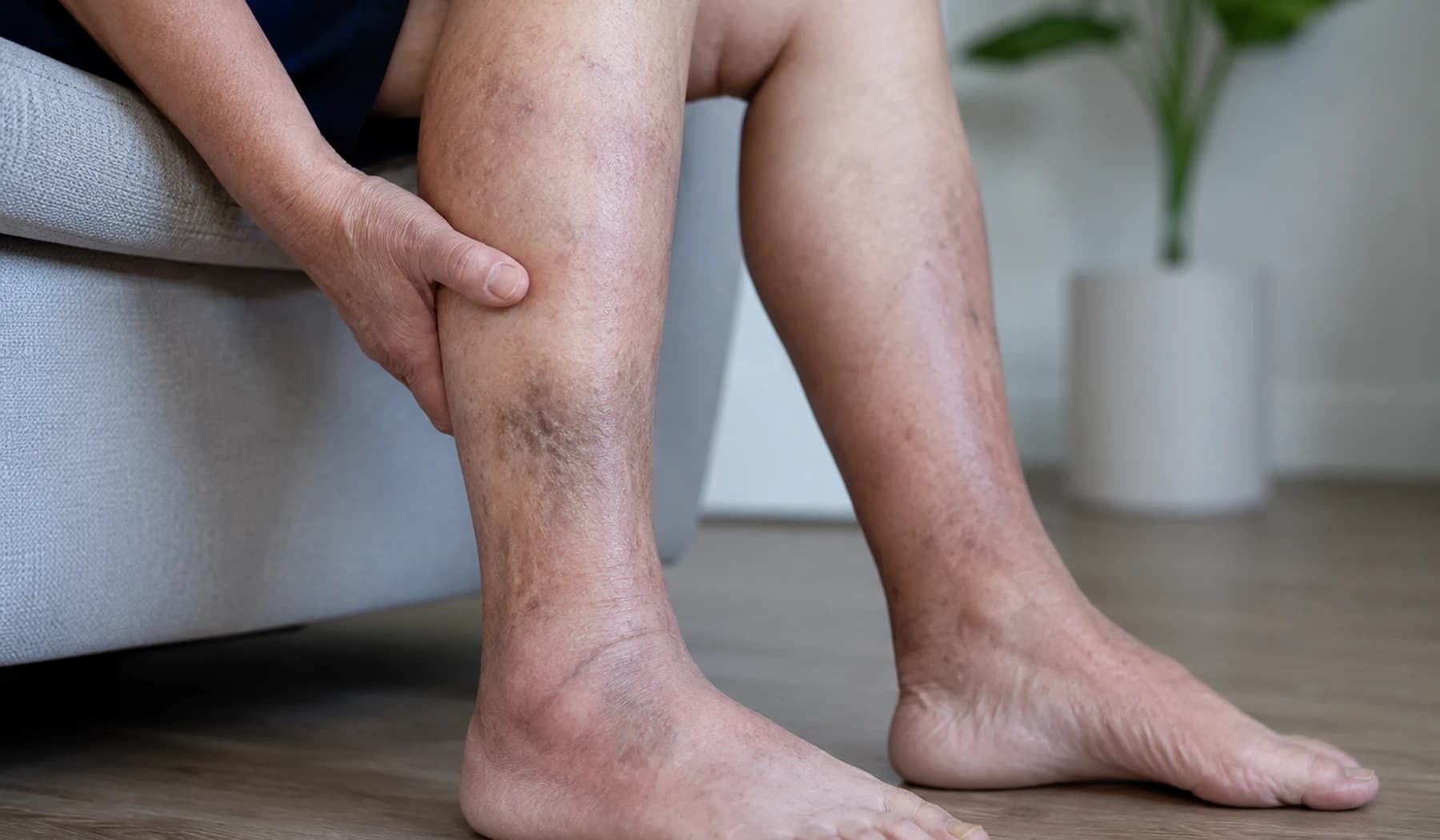
Peripheral artery disease occurs when narrowed or blocked arteries reduce blood flow to the legs and feet.
Dr. Chong treats PAD using catheter-based procedures including angioplasty, stenting, and atherectomy to open narrowed or blocked leg arteries and restore circulation.
Dr. Chong is a board-certified Interventional Radiologist with extensive experience diagnosing and treating PAD using advanced imaging and catheter-based techniques.
PAD treatments are performed through small skin punctures, not surgical incisions. Most patients go home the same day with minimal downtime.
Every patient receives a thorough evaluation before treatment. Dr. Chong reviews imaging and overall health to determine the most appropriate procedure.
PAD is progressive. Diagnosing and treating it early reduces the risk of non-healing wounds, critical limb ischemia, and amputation.
PAD is caused by atherosclerosis, the buildup of fatty plaque inside artery walls. As arteries narrow, less blood and oxygen reach the muscles and tissues of the lower legs and feet.
PAD is underdiagnosed. Many patients mistake leg cramping or fatigue for a normal part of aging. A simple, non-invasive ankle-brachial index (ABI) test can identify reduced blood flow.
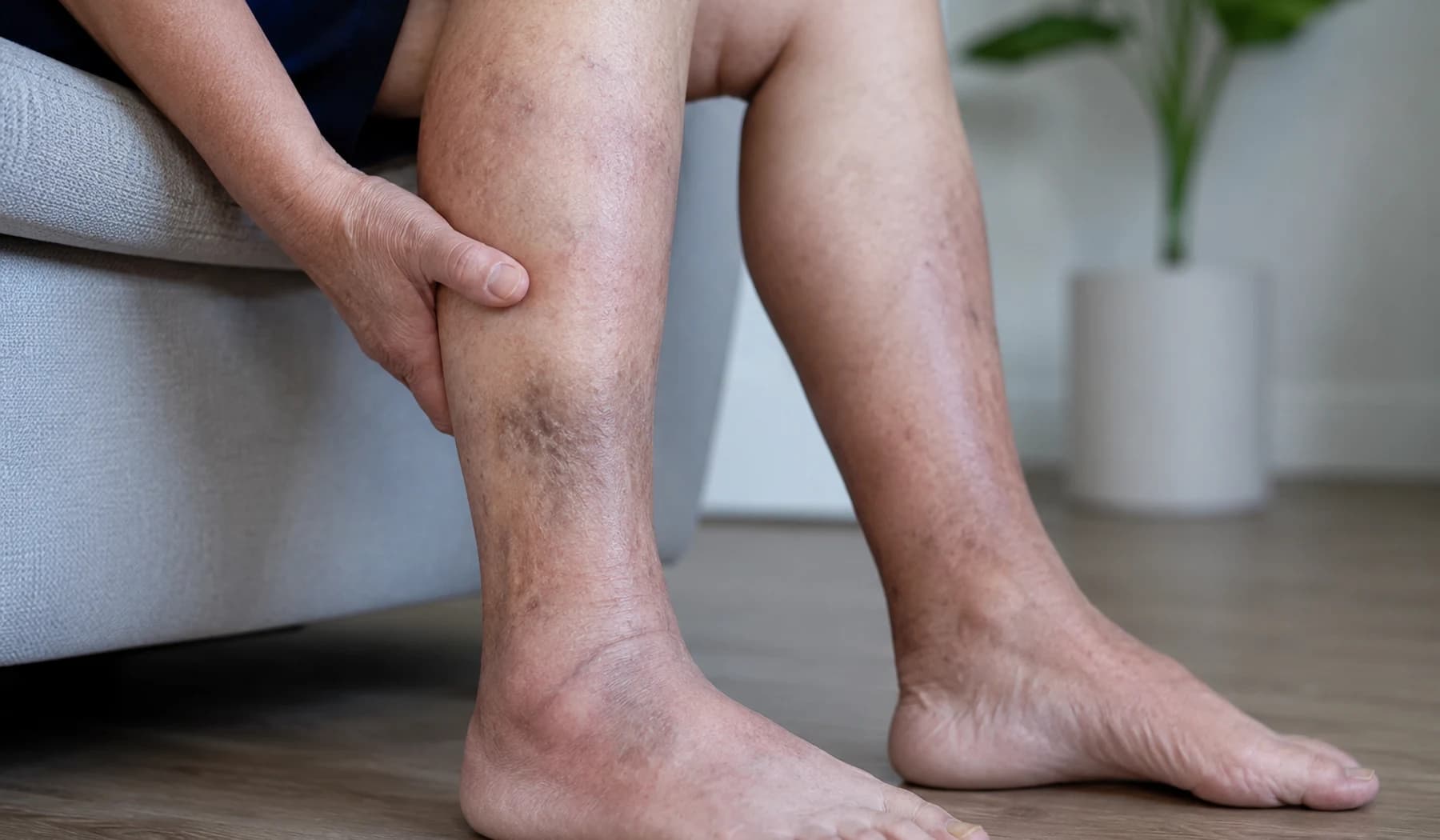
A small balloon catheter widens the vessel, and a stent may be placed to keep the artery open.
A specialized catheter removes or breaks down plaque from inside the artery wall.
Long-term PAD care may include antiplatelet medications, cholesterol management, blood pressure control, and walking programs.
Most patients are up and walking within 30 minutes of the procedure and are discharged the same day.
Restoring blood flow can improve walking ability, support wound healing, and reduce the risk of serious limb-threatening complications.
For patients with advanced disease, restoring blood flow can be limb-saving.
Patients with leg pain during walking, slow-healing foot or leg wounds, or known PAD risk factors should be evaluated.
Yes. Catheter-based PAD procedures are performed under real-time imaging and carry a low complication rate.
Untreated PAD can progress to critical limb-threatening ischemia, rest pain, non-healing wounds, and in severe cases, risk of amputation.
Medically necessary PAD procedures are covered by Medicare and most major commercial insurance plans.